
How Luxury Travelers Can Ask “What Geisha Do” — Directly at a Hidden Bar in Tokyo

EDO KAGURA launches an exclusive, dialogue-based experience in Kagurazaka—a sustainable tourism model designed to balance economic viability with cultural preservation.
As demand for experiential travel continues to rise, luxury travelers are no longer satisfied with passive sightseeing or surface-level cultural encounters. What they increasingly seek is access, exclusivity, and understanding—experiences that offer genuine insight rather than spectacle.
One of the most frequent and enduring questions international visitors ask about Japan is deceptively simple:
What do geisha actually do?
Are they dancers?
Musicians?
Entertainers?
While guidebooks and performances offer partial answers, the essence of the profession—rooted in omotenashi (hospitality) and living tradition—remains difficult to grasp without direct human interaction.

What Geisha Do — And How Travelers Can Ask Them Directly
Search data shows that thousands of people around the world look up the phrase “what geisha do” each month. This highlights a clear gap in the inbound market: curiosity is high, but existing tourism products rarely provide a satisfactory answer.
Most geisha-related tours rely on visual performance. While elegant, they position guests as observers rather than participants.
This new experience was designed to address that gap directly.
Starting January 19, 2026, EDO KAGURA launches a private, dialogue-centered experience held in a hidden bar inside a luxury ryotei in Kagurazaka. Guests are invited not to watch, but to ask, listen, and engage—with interpretation provided throughout.
Importantly, this is not a traditional ozashiki banquet.There is no formal meal and no staged performance sequence. The experience is held after regular ozashiki conclude, using existing space and time without altering the rhythm of the Kagai.

The Setting: A Hidden Bar Inside Ryotei “Yukimoto,” Kagurazaka
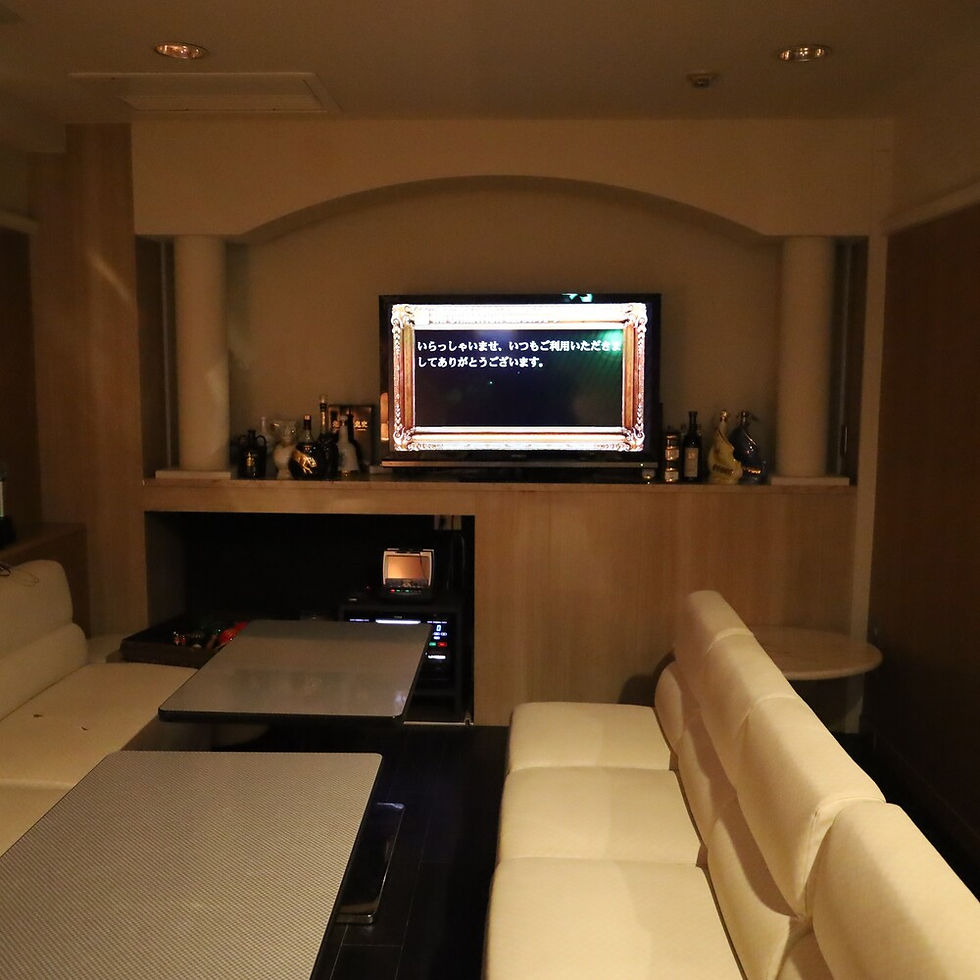
The venue is Ryotei “Yukimoto”, a long-established luxury ryotei located in Kagurazaka—one of Tokyo’s historic geisha districts. Normally accessible only through personal introductions, the ryotei contains a discreet bar space that becomes available after formal banquets end.
In this relaxed yet refined environment, small private groups (2–8 guests) are able to enjoy drinks while engaging in open conversation with geisha. The atmosphere is closer to a cultural salon than a performance venue, allowing for nuanced discussion rather than scripted explanation.
Guests may ask about:
Daily training and discipline
The process and meaning of the kimono
The role of geisha in contemporary Tokyo
How tradition is sustained across generations
Professional interpreters ensure that subtle cultural context and intent are accurately conveyed.
Supported languages: Japanese / English / French / German / Spanish(Interpreter accompanies the experience)
A Sustainable Tourism Model: Message from the CEO
This initiative is rooted in a clear philosophy articulated by Shinya Yamada, President of EDO KAGURA:
As overtourism becomes a pressing social issue, I believe it is essential not to create new tourist attractions but to quietly open existing cultures without destroying them.
Kagurazaka is one of Tokyo’s six historic geisha districts, with origins said to date back to 1788 (Source: ‘Textbook to Know Kagurazaka Well’). Even today, geisha culture here continues as an extension of everyday life.
At the same time, as forms of entertainment have diversified, the number of Kagurazaka geisha has declined from approximately 600 at its peak to just 18 today (Source: ‘Textbook to Know Kagurazaka Well’ / Tokyo Kagurazaka Association).
This tour was designed to deepen understanding of geisha culture through dialogue, while creating a new source of income without forcibly changing the space or timing of the kagai (geisha district).
By scheduling the experience after traditional banquets conclude, we provide geisha with an additional revenue opportunity and offer visitors an entry point to understand Japanese culture more deeply. I hope to nurture this initiative as one practical example of balancing culture and economy.”
Rather than competing with existing traditions, the model works alongside them, reinforcing long-term cultural sustainability.

Why This Experience Works for Travel Professionals
For travel agencies, concierges, and DMCs seeking distinctive yet responsible offerings, this experience provides clear advantages:
Clear differentiation from standard geisha banquets and stage shows
Low operational and reputational risk, with no nightlife framing
Strong appeal to intellectually curious, high-end travelers
Small-group, private format suitable for VIPs, couples, and special-interest clients
A credible sustainability narrative grounded in real operations
This is not an attraction designed for mass consumption. It is a carefully structured cultural interface—one that answers the question travelers actually ask, while respecting the community that sustains the tradition.

A Refined Answer to a Global Question
For many luxury travelers, the real value lies not in seeing geisha, but in understanding what geisha do—in their own words, through direct conversation.
This experience offers travel professionals a compelling, responsible answer to that question, and a meaningful addition to a high-end cultural portfolio in Tokyo.
Partnership and media inquiries are welcome.


Comments