
Beyond Expectations Through Authentic Traditional Cultural Experiences
Provided by EDO KAGURA Corporation
Authentic
Traditional Cultural Experiences in Tokyo
BEYOND KYOTO
Cultural Masterpieces of Japonism Rooted in Tokyo’s Samurai Spirit
In Tokyo, minimalist sophistication shaped by samurai spirit
In Kyoto, refined elegance born from aristocratic grace
A Cultural Experience Never Before Available
An Exclusive Journey, Unavailable Even in Kyoto—Created for Discerning Travelers Seeking the Rare and Refined

A Truth Hidden in Plain Sight
Tokyo—The Living Cultural Epicenter of Japan for Over 400 Years
One shaped by the quiet dignity of the samurai. The other was born from the aristocratic grace of the imperial court.
For centuries, Kyoto has been celebrated for its elegant traditions.
However, to see Kyoto as the sole heart of Japanese culture is to miss half the story.
Once known as Edo, Tokyo became the center of political, economic, and cultural life during the Tokugawa era—nurturing the evolution of Japanese culture at its core for over 400 years.
To this day, it remains the living heart of Japan.
From this samurai-led society emerged a distinct aesthetic: Iki (粋, pronounced “ee-key”)—a minimalist, understated elegance grounded in discipline, restraint, and quiet confidence.
Deeply influenced by Zen philosophy, it resonated with visionary minds like Steve Jobs, who found inspiration in its purity and focus.
It is not showy, but profound.
Not ornamental, but intentional.
This is the Tokyo spirit—refined, humble, and deeply authentic.
In Kagurazaka, the heart of Tokyo’s labyrinth of modernity, the timeless spirit of Edo still quietly endures.
Here, you can encounter the quiet poise of a geisha, the precise movements of a Noh actor, and the mastery of artisans who pass down centuries-old techniques with quiet devotion.
This is not the Japan of postcards—
It’s Japan that lives on. And it’s waiting to be experienced.
Step into a world you've never seen.
To experience this living culture firsthand, we invite you to explore Premium Private Tours—rooted in over 400 years of Edo’s quiet power.
Perfect for those who appreciate the minimalist refinement born from Japan’s samurai culture.
From the quiet dignity of Japan’s classical performing arts to the refined artistry of Edo-period craftsmanship—including hands-on ukiyo-e printmaking inspired by Hokusai—and from geisha and lion dance banquets with sake and whiskey tastings, to immersive Noh and Gagaku(Imperial Court Music) training with masters—these are not touristic performances, but rare gateways into living tradition.
Multilingual Cultural Guides Available
We now offer private guided programs in French, German, and Spanish. While the multilingual sections of our website are currently being finalized, programs in these languages are already available upon request.
Premium Private Experiences
Each of our curated experiences invites curious travelers to step beyond the surface of Japan and into its living spirit. Rooted in the traditions of Kagurazaka and Tokyo’s samurai spirit, our premium exclusive tours offer rare access to authentic cultural worlds—far from the usual tourist paths.


Over 300 Years of Unchanged Elegance since the Edo era
Do you know Geisha exist only in Tokyo? In Kyoto, they are called Geiko; in Tokyo, they are Geisha. A rare 3-hour banquet with 5 authentic geisha, featuring traditional secret games, karaoke, sake tasting, and whisky tasting.

Over 400 Years of Traditional Comedy and Performing Arts by Male Geisha
In fact, male geisha appeared before female geisha. A rare and real Edo-style banquet with geisha and hōkan—a tradition older than female geisha, now preserved by just 6 remaining hōkan.

Sharing Happiness Over 1,400 Years
Daikagura, like lion dances and elegant acrobatics, is rooted in sacred rituals once dedicated to the gods. Unlike Western street performances, Daikagura is imbued with prayers for happiness, prosperity, and protection. Elevate your special moments, such as anniversaries, with Daikagura.

Japan’s Traditional Magic with Over 1,000 Years of History
Unlike Western magic, which often relies on tricks, surprise, and shock, Tezuma captivates through refined aesthetics, restraint, and the quiet elegance without words. Each performance draws the audience into a fleeting world of visual poetry. You can truly understand the traditional Japanese sense of beauty by watching Tezuma.

The World’s Oldest Orchestra: Ancient Japanese Imperial Court Music and Dance Over 1,200 Years
Gagaku has no conductor. Each musician listens and breathes together to create harmony. Gagaku, born in ancient Kyoto, has been nurtured and preserved in Edo and modern Tokyo for the past 400 years. Today, with Gagaku now based at the Imperial Palace in Tokyo, we have the rare opportunity to experience the history of Japanese performing arts—from the elegance of Kyoto to the samurai spirit of Edo—all in one place.

This Is Japanese Minimalism: A Timeless Performing Art Unchanged for Over 600 Years
Noh was preserved by Japan’s samurai society, setting it apart from popular Kabuki. Noh is often compared to Western opera. Every movement in Noh is distilled to its purest form, inviting the audience to imagine the unseen. Noh is an art form that resonates with individuals who appreciate the sublime beauty of imagination.

From Hokusai to the World: Edo Woodblock Prints as the Pinnacle of 1,200 Years of Japanese Tradition
Imagine white washi paper transformed into the greatest masterpiece, "The Great Wave" by Hokusai, through a live demonstration by a Certified Master of Traditional Craft. Then, deepen your appreciation with an exclusive lecture by Ms. Yukiko Takahashi, a celebrated Ukiyo-e artisan whose insights have captivated audiences at the British Museum.
.jpg)
1,200 Years of Braiding Tradition – From Samurai Swords to Kimono: A Cord That Binds Japanese Culture
Kumihimo making for their sword was a form of mental training for samurai, reflecting Zen principles. This meditative craft class is elevated to a premium level under the guidance of either Professor Mihoko Domyo, an expert in traditional Asian textiles and folk costumes, or President Kiichiro Domyo, head of one of Japan’s finest braiding studios.

The Chic Spirit of Edo Culture: Over 700 Years of Traditional Dyeing Techniques
Be amazed by the intricate techniques of a certified Master of Traditional Craft as they bring Edo kimono patterns to life. Learn the refined spirit of wabi-sabi and iki woven into each design that the samurai once loved. Then, create your own personalized piece of Edo heritage to take home—a unique connection to Japan’s timeless elegance.

Traditional Japanese Confections Date Back Over 1,000 Years
Rooted in the sacred origins of mochi—once revered as a vessel for the spirits of rice—wagashi evolved into a refined art form alongside the tea ceremony. This premium class is led by Mr. Takeshi Inoue, a master wagashi artisan and licensed practitioner of Chadō (the Way of Tea), offering an exclusive opportunity to create wagashi and enjoy authentic matcha in a traditional tea house during a tea ceremony.
.jpg)
The Integration of 400 Years of Traditional Edo Music into Wellness Tourism
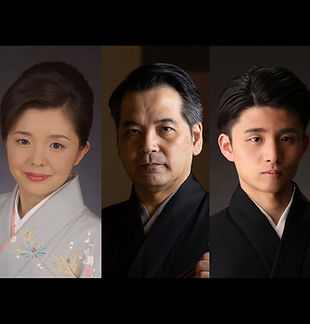
Experience the world of Edo-period music through an intimate performance uniting the soulful shamisen and the graceful koto. Guided by the renowned Okamura family, heirs and innovators of Japanese traditional music, you will see how a 400-year-old heritage continues to evolve. Beyond listening, this exclusive session lets you touch and play the instruments, feeling their resonance and turning sound into a personal, unforgettable memory.

The 400-Year Legacy of the Kokyū, Featured in Kabuki and Samurai Films
Discover the rare sound of the kokyū, Japan’s only traditional bowed string instrument, in an exclusive private performance at Kagurazaka’s historic ryotei Yukimoto. Guided by master Daisuke Kiba—featured in the Emmy-winning drama SHOGUN—you will not only hear this 400-year-old cultural treasure but also touch and play it yourself, creating a deeply personal connection to Japan’s heritage.
About Our Brand "Kagurazaka Refined Wander" (神楽坂雅遊, KAGURAZAKA GAYU)
"KAGURAZAKA GAYU" translates to "Kagurazaka Refined Wander," a name that embodies our brand philosophy. GAYU (雅遊) is a unique concept that blends “Miyabi” (refined elegance) with “Asobi” (joyful cultural play).
It represents our belief: to experience Japan not merely through sightseeing, but through meaningful, beautiful immersion.
Guest Feedback
Voices from Those Who Experienced Our Tours
Rated 4.9+ / 5
Eric Lu and his friends
“Perfect- No Notes."
- Geisha Experience
Mr. and Mrs. Kubota
"This has been a wonderful experience! We really enjoyed learning about the process of how scarves are painted and all the intricate details involved. It was very enjoyable, fun, and excellent.
- Dyeing
Gonzalez Family
“We are very grateful for this truly meaningful experience. We feel humbled to have had this opportunity and are delighted by the kindness and openness of our host.”
- Wagashi Workshop
Why Kagurazaka?
The Cultural Heart of Our Premium Tour
Our premium tour, Kagurazaka Refined Wander, takes place primarily in Kagurazaka, a historic and culturally rich district in central Tokyo.
The name “Kagurazaka” literally means “slope of Shinto music,” reflecting the area’s long-standing connection with sacred music and performance. Historically, music from nearby shrines could be heard throughout the neighborhood. In the Meiji period, when the era of the samurai came to an end, Kagurazaka was selected as the very first base for Gagaku, the classical court music of Japan, in Tokyo. Even today, the traditional Shinto performance art Daikagura is performed on the streets of Kagurazaka every New Year.
Once a vibrant geisha district and home to vaudeville theaters, Kagurazaka has long attracted artists, writers, and intellectuals, earning a reputation as Tokyo’s cultural quarter. Thanks to this rich background, many traditional performing artists enthusiastically participate in our program, making this tour unlike any other.
Another key reason this tour became possible is the deep local knowledge and connections of Shinya Yamada, CEO of EDO KAGURA Corporation, who has lived in Kagurazaka for over 25 years. His long-standing relationships with local artisans, geisha, and cultural institutions allow us to offer experiences that are truly authentic and rarely accessible to the public.
Many of our experiences take place at Ryotei "Yukimoto," the largest and most prestigious traditional restaurant in Kagurazaka. Founded in 1948, it is the third-generation proprietress, Ayumi Terada, a former actress of the renowned Bungaku-za theater troupe. A passionate advocate for traditional arts, she also curates the cultural event Kagura Goyomi, which brings together real geisha and masters of performance such as Daikagura, Tezuma (classical Japanese magic), and Hōkan (male geisha)—all of which feature in our premium tour.
In May each year, the area also hosts Kagurazaka Street Stage: Oedo Tour, a lively festival dedicated to celebrating Japan’s classical performing arts. It is yet another reminder that Kagurazaka is not just a historic district, but a living cultural stage.
This is why we named our tour Kagurazaka Refined Wander—an elegant journey into the authentic heart of Japanese tradition, set in a town where culture still breathes.
We warmly invite you to experience real traditional Japanese culture in the one place where it truly lives: Kagurazaka.
Why Kagurazaka?
A Samurai Town Transformed into a Town of Serendipity: The Cultural Soul of Our Premium Tour
Kagurazaka: A 1,300-Year-Old Cultural Sanctuary in Tokyo
Our signature experience, Kagurazaka Refined Wander, invites discerning travelers to explore Kagurazaka, one of Tokyo’s most atmospheric and culturally rich neighborhoods, where the spirit of old Japan quietly endures. With a history spanning more than 1,300 years, Kagurazaka is said to have originally evolved around an imperial cattle pasture and a shrine, making it one of Tokyo’s oldest cultural areas, following Asakusa, which boasts nearly 1,400 years of heritage.
Shogun Street: Built in 1636 by Tokugawa Iemitsu
Kagurazaka Street itself, constructed in 1636 under the direction of Shogun Tokugawa Iemitsu, is often referred to as "Shogun Street"—offering visitors a rare glimpse into Japan’s timeless elegance and living traditions.
Tokyo’s Little Kyoto, but True Off-The-Beaten-Path
Despite its exceptional charm and deep cultural heritage, Kagurazaka remains remarkably little-known among international travelers—even though it sits right in the heart of Tokyo. In today's hyper-connected world, its ability to remain a hidden gem feels nothing short of miraculous. Often called “Tokyo’s Little Kyoto,” Kagurazaka offers discerning travelers the rare luxury of immersing themselves in authentic Japanese culture, away from the well-trodden tourist trails and the crowds that now overwhelm Kyoto. Truly an off-the-beaten-path treasure at the very center of the city.
In the Heart of Tokyo, a Quiet Cultural World Awaits: Kagurazaka

Kagurazaka, in the Heart of Tokyo
Access to Ryotei Yukimoto (幸本) from Major Luxury Hotels by Car
(Travel times are estimated and may vary depending on traffic conditions.)
-
Aman Tokyo: 15–20 minutes
-
Four Seasons Hotel Tokyo at Otemachi: 15–20 minutes
-
The Peninsula Tokyo: 15–20 minutes
-
Mandarin Oriental Tokyo: 15–20 minutes
-
Palace Hotel Tokyo: 15–20 minutes
-
The Ritz-Carlton Tokyo: 20–25 minutes
-
The Tokyo Edition, Toranomon: 20–25 minutes
-
Park Hyatt Tokyo: 20–25 minutes
Clothing Rental for Travelers
Exclusive Japanese Attire Rental for an Immersive Cultural Experience
Our premium clothing rental service offers travelers a seamless blend of tradition, authenticity, and comfort—enhancing every journey with attire carefully selected for cultural exploration.
We proudly offer two distinguished options:
-
Outdoor Wear Rental — Featuring exclusive Patagonia apparel, ideal for effortless transitions between urban adventures and nature escapes.
-
Samue Rental — Traditional workwear favored by Zen monks and master artisans, embodying understated refinement and ease of movement.
For business travelers, our service ensures effortless style and versatility, providing attire suited for professional commitments as well as leisure activities such as hiking or immersive cultural experiences.
The Essence of Samue: Timeless Elegance and Craftsmanship
Rooted in centuries-old tradition, the samue is designed with a muted color palette and a functional structure, favored by Japan’s finest artisans and Zen practitioners. Wearing samue deepens the authenticity of each cultural experience, allowing travelers to feel a quiet connection with Japan’s living heritage.
Through our exclusive rental service, we invite guests to engage with tradition not just as observers, but as participants—immersed in refinement, spirit, and meaning.


Inquiry Form
.jpg)

Our sister brand for individual travelers.
We also offer a thoughtfully curated selection of traditional cultural experiences for FIT travelers through our EDO KAGURA brand.
Designed to be more accessible, these experiences maintain the highest standards of authenticity, led exclusively by genuine artisans, geisha, monks, and masters of traditional Japanese culture.